The Inflation Reduction Act
America's largest investment in clean energy and climate action. Signed into law on August 16, 2022, the IRA represents a transformative approach to reducing energy costs, combating climate change, and building a sustainable future.
A Historic Investment in America's Future
The most significant climate and energy legislation in U.S. history
- Total Investment
- $370B
- New Jobs Created
- 100K+
- Emission Reduction Target
- 40%
- Target Year
- 2030
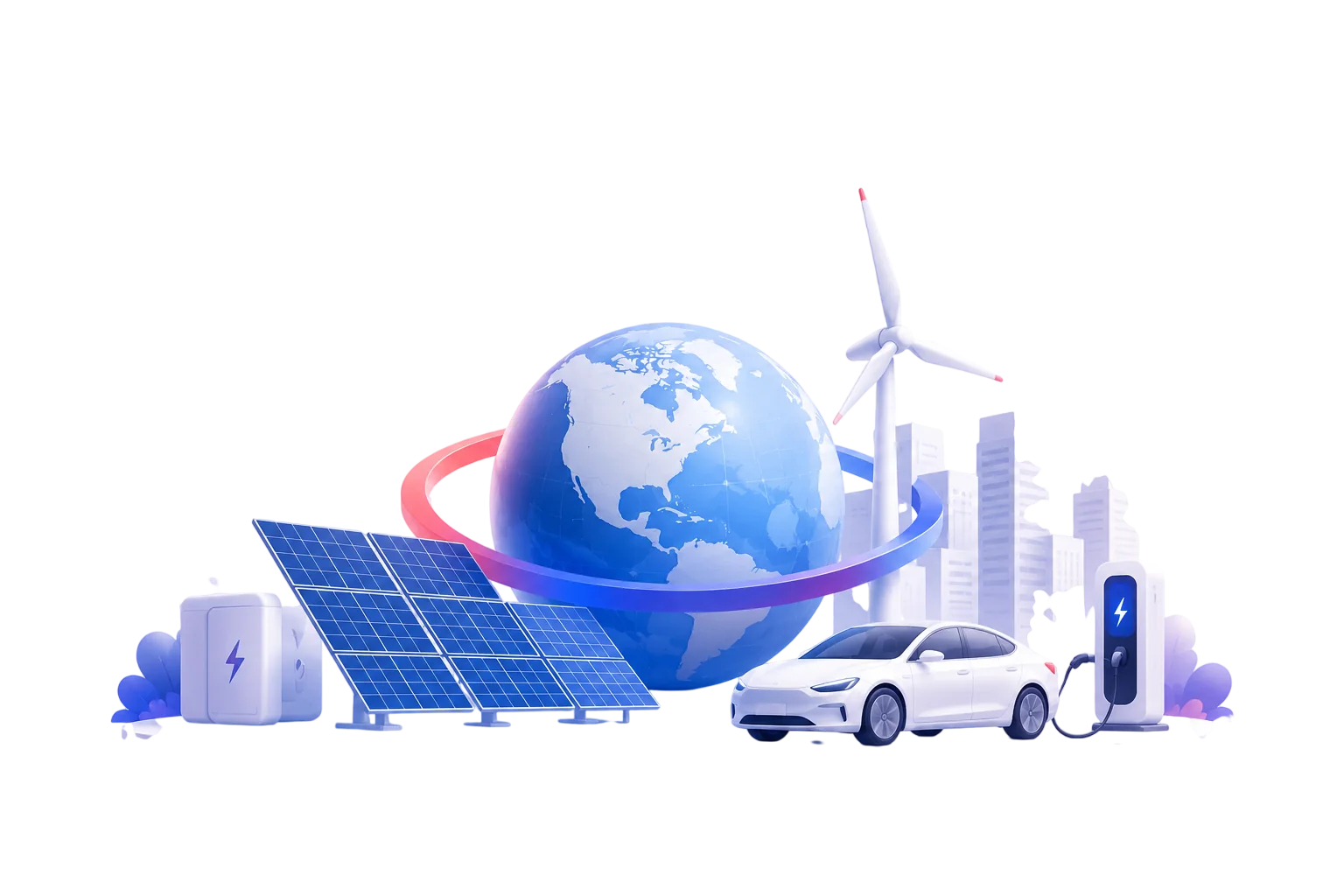
The Inflation Reduction Act (IRA) is a landmark piece of legislation that allocates approximately $370 billion to clean energy, climate action, and environmental justice initiatives. This comprehensive law aims to reduce carbon emissions by 40% by 2030 while creating hundreds of thousands of jobs in the clean energy sector.
The IRA represents the most significant climate and energy legislation in U.S. history, providing tax credits, grants, and incentives for renewable energy, electric vehicles, energy-efficient buildings, and sustainable manufacturing practices.
Beyond its environmental impact, the IRA is designed to strengthen America's energy security, reduce dependence on foreign energy sources, and position the United States as a global leader in clean energy innovation. The legislation addresses multiple sectors simultaneously, creating a comprehensive framework for sustainable economic growth.
Major Components of the Act
The IRA includes comprehensive provisions designed to accelerate the transition to clean energy and reduce greenhouse gas emissions across all sectors of the economy.
Clean Energy Tax Credits
Extended and expanded tax credits for solar, wind, and other renewable energy projects. These incentives make clean energy more affordable for businesses and homeowners, accelerating the adoption of renewable technologies across the nation.
Manufacturing Incentives
Tax credits and grants for domestic manufacturing of clean energy technologies, batteries, and electric vehicles. These incentives support the reshoring of critical supply chains and create high-quality manufacturing jobs in the United States.
Electric Vehicle Support
Up to $7,500 in tax credits for new electric vehicle purchases and incentives for EV charging infrastructure. The IRA also includes support for commercial electric vehicles and charging stations, accelerating the transition to zero-emission transportation.
Energy Efficiency Programs
Rebates and tax credits for home energy efficiency improvements, including heat pumps, insulation, and energy-efficient appliances. These programs help reduce household energy costs while decreasing overall energy consumption and carbon emissions.
Major IRA Programs by Sector
The Inflation Reduction Act includes targeted programs designed to accelerate clean energy adoption across residential, commercial, industrial, and transportation sectors.
- 01
Residential Programs
Homeowners can access rebates and tax credits for energy-efficient improvements.
- 02
Commercial Programs
Businesses benefit from incentives for clean energy and efficiency upgrades.
- 03
Industrial Programs
Manufacturing facilities receive support for clean energy transitions.
- 04
Transportation Programs
Incentives for electric vehicles and charging infrastructure development.
Key Benefits of the IRA
The Inflation Reduction Act delivers significant benefits across multiple sectors, creating opportunities for businesses, communities, and the environment.
Cost Reduction
Significant savings on energy costs for households and businesses through tax credits, rebates, and efficiency improvements.
Job Creation
Hundreds of thousands of new jobs in clean energy, manufacturing, and related industries across the United States.
Environmental Impact
Substantial reduction in greenhouse gas emissions, improved air quality, and accelerated transition to renewable energy.
Innovation Boost
Increased investment in research and development of clean energy technologies and sustainable solutions.
Energy Security
Reduced dependence on foreign energy sources through domestic clean energy production and manufacturing.
Global Competitiveness
Enhanced U.S. competitiveness in the global clean energy market through domestic manufacturing incentives.
IRA Implementation Journey
The Inflation Reduction Act is being implemented in phases, with programs rolling out over several years to maximize impact.
- 2022
Enactment & Initial Programs
The IRA was signed into law in August 2022, immediately making tax credits available for clean energy projects and electric vehicles.
- 2023
Program Expansion
Throughout 2023, additional programs launched including home energy rebates, commercial building incentives, and manufacturing tax credits.
- 2024
Full Implementation
By 2024, most IRA programs were fully operational, with billions in investments flowing into clean energy projects nationwide.
- 2025+
Long-term Impact
Looking ahead, the IRA will continue to drive clean energy adoption, job creation, and emission reductions through 2030 and beyond.
How Digital Product Passports Support IRA Compliance
The Inflation Reduction Act emphasizes transparency, traceability, and sustainability across supply chains. Digital Product Passports (DPPs) play a crucial role in helping businesses comply with IRA requirements by providing comprehensive product lifecycle data, carbon footprint tracking, and supply chain transparency.
D Trace platform enables companies to track and report on their products' environmental impact, verify clean energy sourcing, and demonstrate compliance with IRA tax credit requirements. Our solution helps businesses maximize their IRA benefits while ensuring full transparency and accountability.
Learn How D Trace Can Help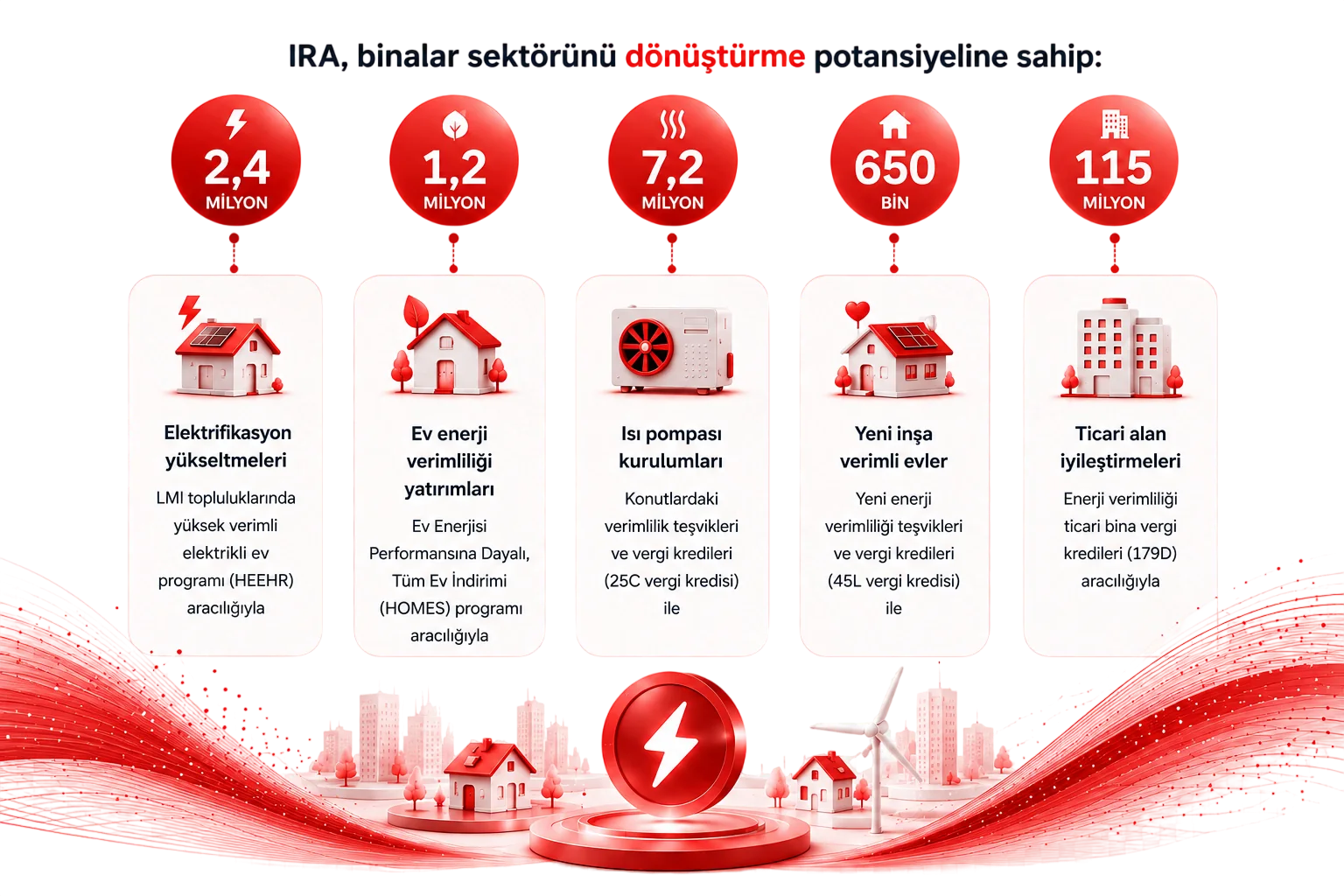
Building the Future of Transparency
Every product tells a story. We make sure it's a transparent one.